Author
Tsvetana Toncheva
Article
Highlights of Bulgarian musical culture
“Shto mi e milo i drago” by Dobri Hristov: A benchmark of Bulgarian Choral Music
Friday 30 October 2026 20:00
Friday, 30 October 2026, 20:00
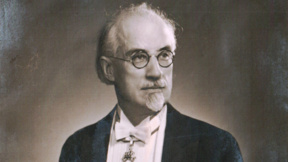
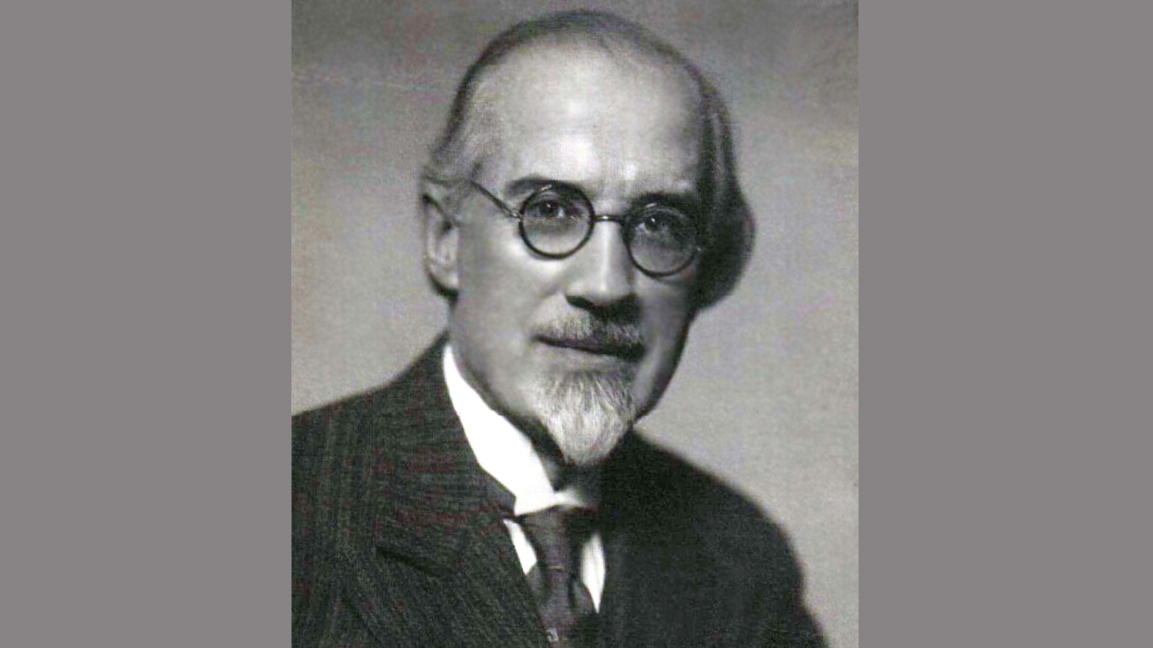
Dobri Hristov (1875 – 1941)
PHOTO Archives State Agency
Font size
Dobri Hristov, one of the great creative figures of the first generation of Bulgarian composers, holds an exceptional place in the country’s cultural history. His work as an outstanding conductor, inspiring teacher, perceptive scholar and active leader of leading musical institutions helped lay the foundations of professional music in Bulgaria. His contribution to the collection and study of Bulgarian folklore is immense, as is his role in creating classical examples of choral and solo song and in shaping the aesthetic and creative principles of the country’s second generation of composers. Among his pupils were such eminent figures as Pancho Vladigerov, Veselin Stoyanov, Philip Koutev and Marin Goleminov.
Hristov’s choral output, which brought together authentic Bulgarian folk music and Orthodox Church Slavonic chant with the principles of classical harmony, made a fundamental contribution to Bulgaria’s classical music. Drawing on folk songs from different regions of the country, he composed dozens of works for mixed, male and children’s choirs. Many of the texts in these vivid miniatures retain their original dialect features, allowing Hristov to blur, to a considerable extent, the boundary between his own artistic creation and the folk tradition.
Although he began his musical journey as a self-taught, albeit exceptionally gifted, musician in his native city Varna, Hristov composed two choral suites, Lilyana, the Beautiful Maiden and The Girls of Zheravna, before he had even turned 20. He submitted them to a competition for a scholarship to study abroad. His rejection by the selection committee was regarded as an affront by the people of Varna, who raised funds to send the young musician to the Prague Conservatory, where he studied under Antonín Dvořák.
His three years in Prague broadened Hristov’s understanding of the standards and values underpinning national musical art.
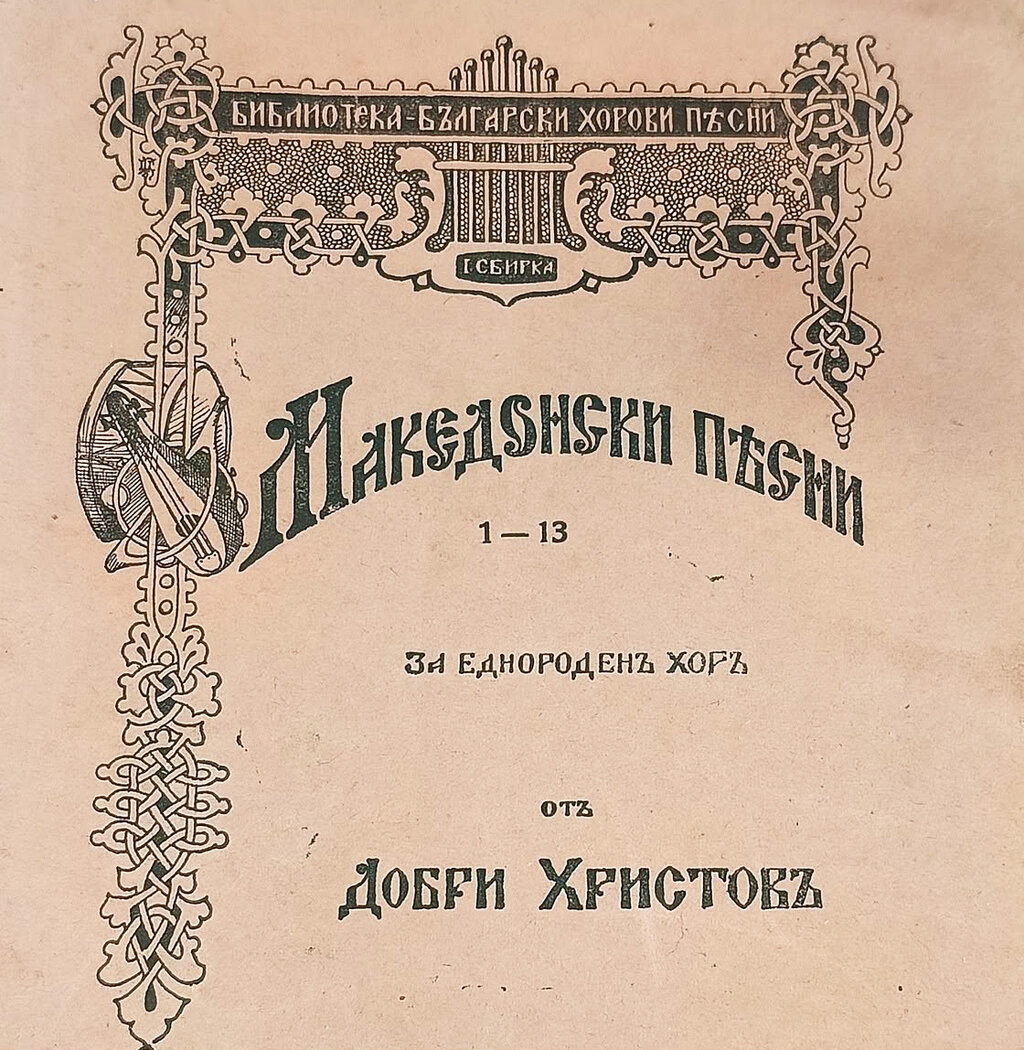
The cover of the collection "Madeconian Songs" from 1923
PHOTO Archive
After returning to Bulgaria in 1903, Dobri Hristov began arranging folk songs from the region of Macedonia, which he considered particularly well suited to artistic treatment using the techniques of classical harmony.
Most of these arrangements, written for male choir, were published in 1923 in the collection Macedonian Songs. Among the best-loved and most frequently performed is Shto mi e milo i drago (“How Dear and Precious It Is to Me”), in which a young man sings of his longing to own a shop in the town of Struga, sit outside it and watch the beautiful young women on their way to fetch water from the local springs.
In recent decades, this folk song from the Struga region, a picturesque town in present-day North Macedonia on the northern shore of Lake Ohrid, has become particularly popular in the interpretation of the celebrated Bulgarian folk singer Kostadin Gugov. Bulgarian choirs also favour and frequently perform the arrangement by Petko Staynov, a distinguished composer of the country’s second generation. Yet it was the great master Dobri Hristov who created the first choral arrangement. His version, scored exclusively for male voices, has been performed by numerous ensembles.
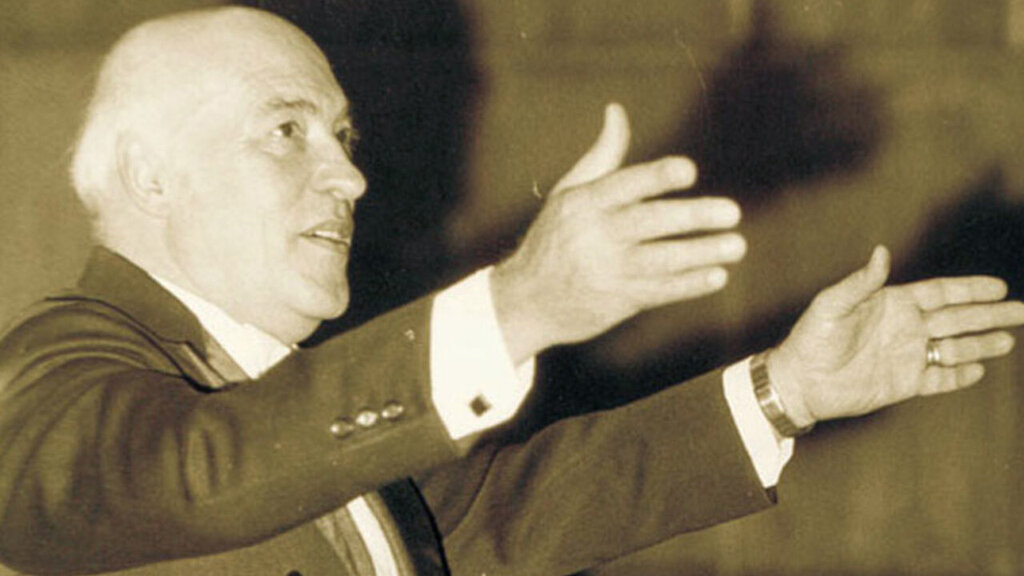
Mihail Milkov (1923 – 2003)
PHOTO archives.bnr.bg
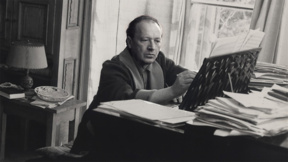
One of the most remarkable interpretations dates from the early 1990s and features the male singers of the Bulgarian National Radio Mixed Choir under the baton of conductor Mihail Milkov (1923–2003).
A leading authority on Bulgarian choral performance, Mihail Milkov founded the BNR Mixed Choir in 1952 and led it for more than four decades, leaving the Radio archives a legacy of over 500 recordings. The choir’s landmark international tours and its collaborations with some of the world’s greatest conductors, including Herbert von Karajan, Claudio Abbado and Riccardo Muti, remain particularly noteworthy.
The performance of the song Shto mi e milo i drago conducted by Mihail Milkov is striking for its expressive power, the richness and beauty of its vocal timbres, and its remarkably balanced, cohesive ensemble sound.
You can find more installments in Radio Bulgaria's running series "Highlights of Bulgarian Musical Culture" HERE.
Photos: Archives State Agency, archives.bnr.bg, archive
Editor: Elena Karkalanova
English version: R. Petkova